The PrepSAT Blog

How AI is changing SAT prep. Features, strategies, and the science behind adaptive learning.

How It WorksJuly 18, 20266 min read

Learning That Remembers: What PrepSAT Adopted from Matt Pocock's Teach Skill

Matt Pocock's Teach skill treats learning as a stateful process, not a stream of content. We adopted its strongest ideas—small lessons, retrieval, evidence, trusted sources, and useful next steps—then rebuilt them for secure, child-friendly SAT prep.

Read more →
Questions That Evolve With You: How PrepSAT Uses Recursive AI to Make You Smarter
How It WorksMarch 21, 20265 min read

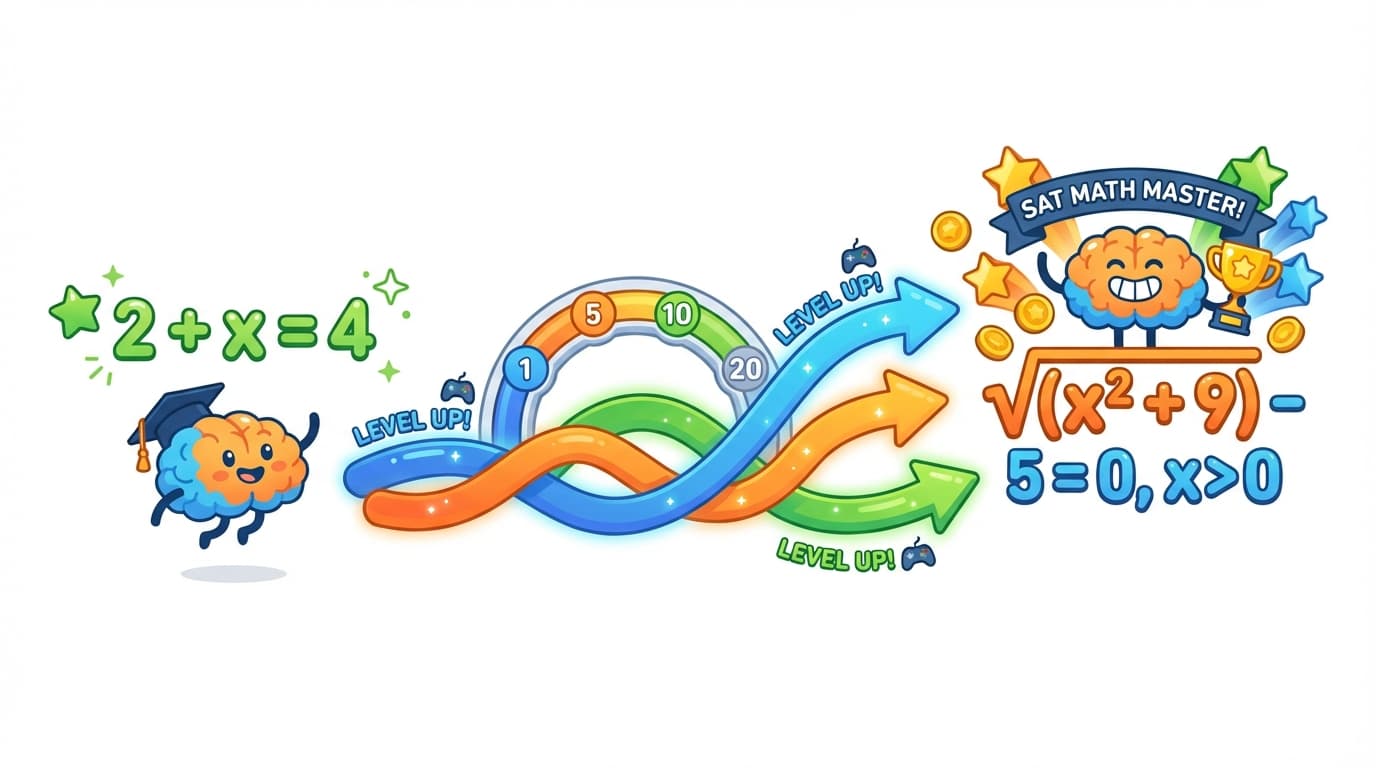
Questions That Evolve With You: How PrepSAT Uses Recursive AI to Make You Smarter

Inspired by Karpathy's autoresearch, PrepSAT doesn't just test you. It watches how you answer, generates harder variants of what you ace, and breaks down what trips you up. The question bank literally grows with every student.

Read more →
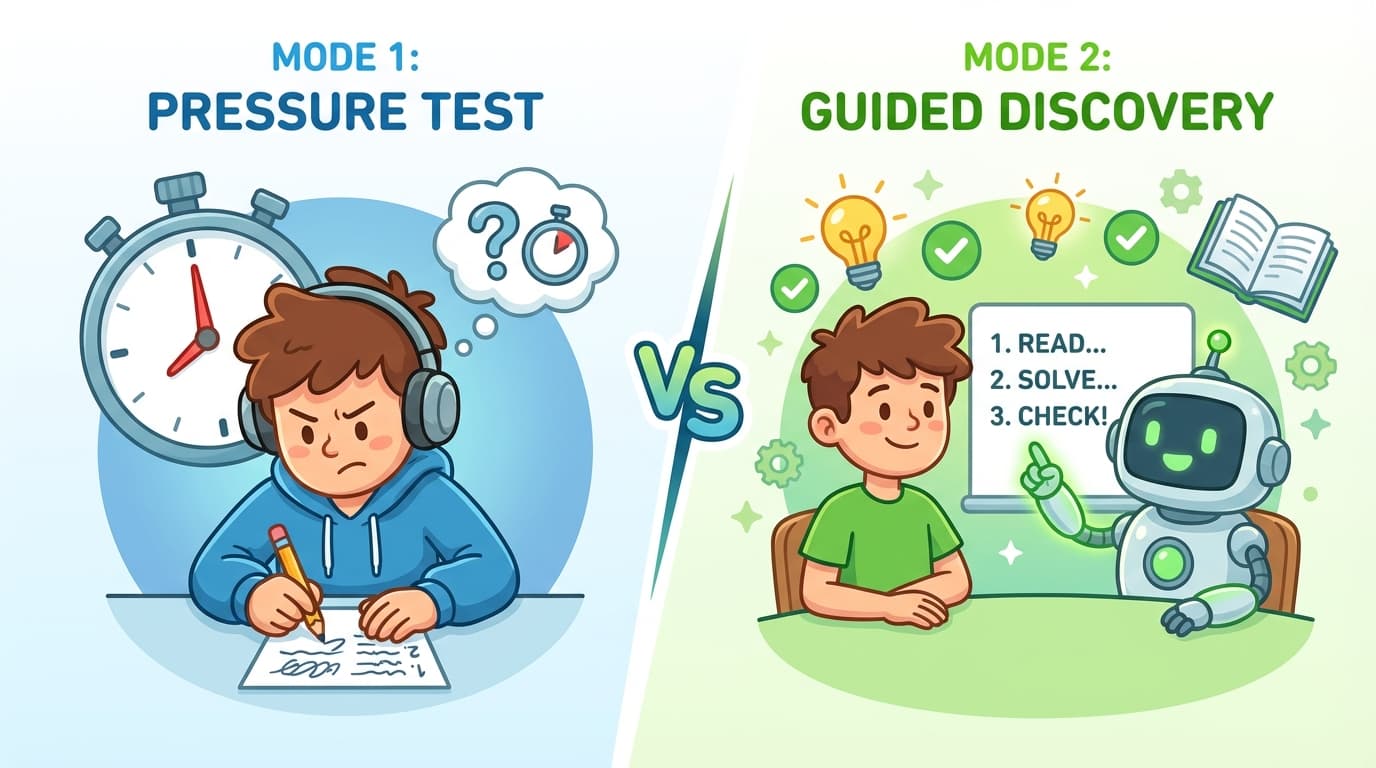
Stop Guessing, Start Learning: Why PrepSAT Has Two Modes
FeaturesMarch 21, 20264 min read

Stop Guessing, Start Learning: Why PrepSAT Has Two Modes

Most SAT apps only test you. PrepSAT also teaches you. Learning Mode breaks every problem into guided steps with hints, feedback, and practice variants. Here's why the combination is more effective than either alone.

Read more →
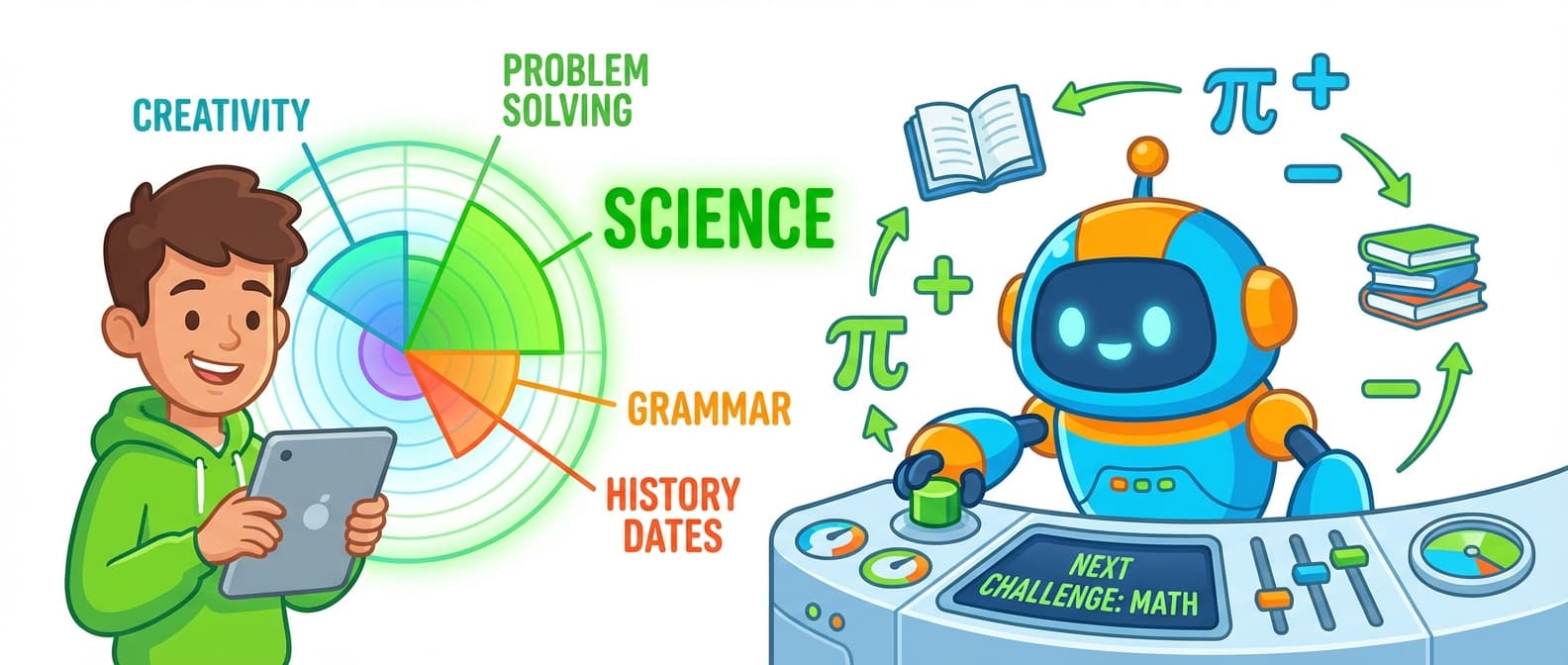
Your SAT Prep Should Know You Better Than You Know Yourself
Deep DiveMarch 21, 20264 min read

Your SAT Prep Should Know You Better Than You Know Yourself

PrepSAT builds a mastery profile for every student, tracking strengths and weaknesses across every topic and subtopic. Each test is uniquely assembled for your growth areas. Here's the science behind adaptive practice.

Read more →
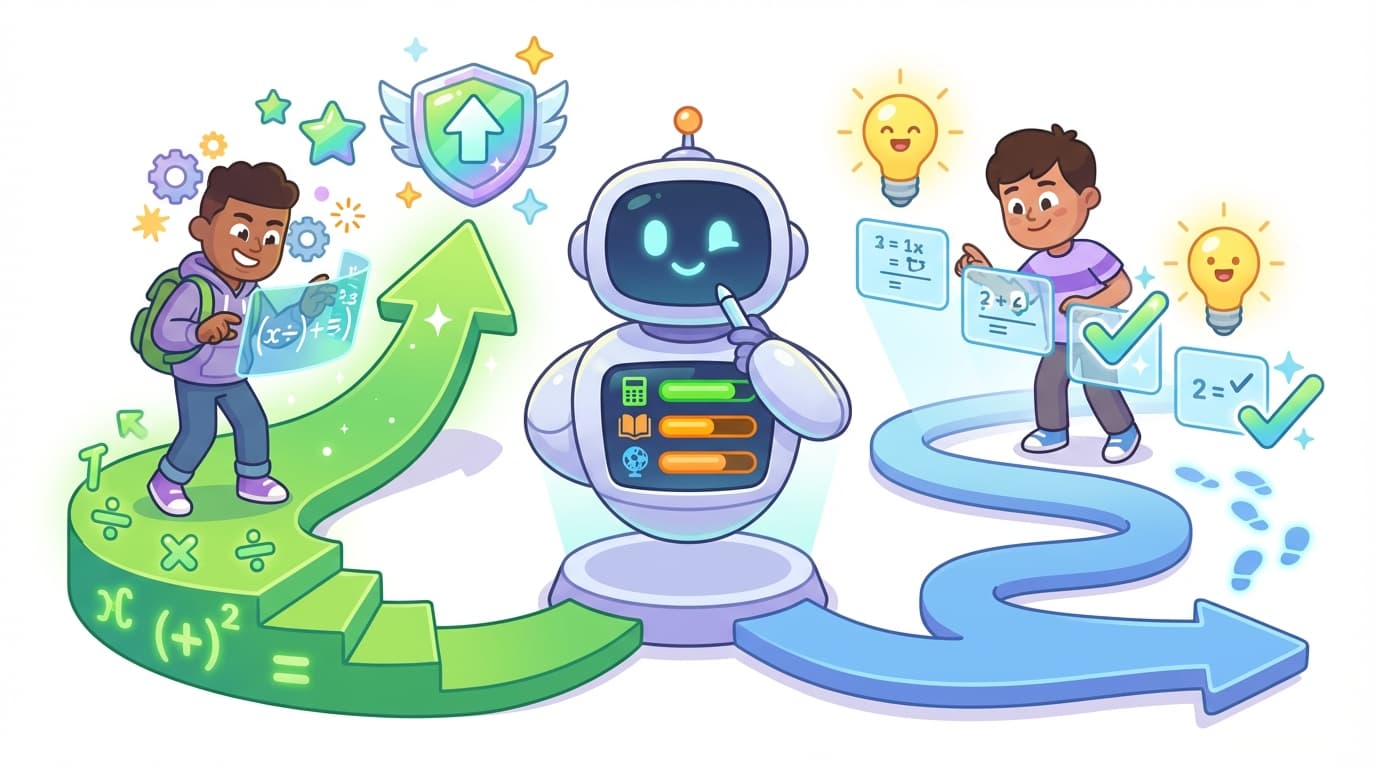
How PrepSAT Decides When to Push You Harder vs. Help You Learn
FAQMarch 30, 20263 min read

How PrepSAT Decides When to Push You Harder vs. Help You Learn

A real user asked: how does the system know when to make questions harder versus breaking them down into steps? Here's the answer — it comes down to your mastery score per topic, and the system treats each topic independently.

Read more →